
India’s Tyre Demand Lifts Asian Rubber Markets Higher
What’s going on here?
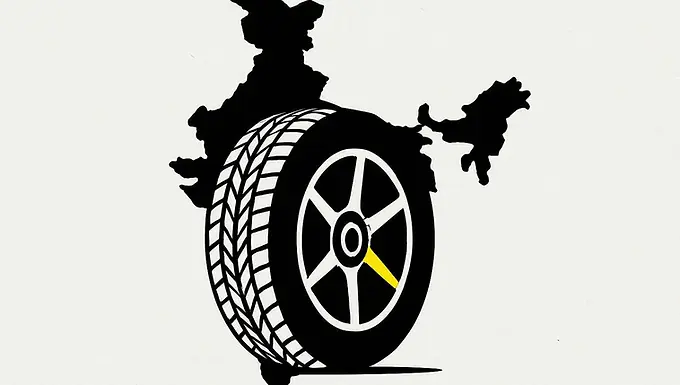
Rubber prices are accelerating across Asia, as India’s hot demand for tyres—sparked by recent tax reforms and a wave of new auto sales—has pushed Japanese, Chinese, and Singaporean rubber futures higher for a second day.
What does this mean?
Japanese rubber futures on the Osaka Exchange jumped to 311.2 yen ($2.11) per kilogram for February delivery, capping off a strong winning streak. That strength rippled out, boosting Shanghai rubber and butadiene contracts as well. The spark? India’s revamped goods and services tax has lit up auto sales, helping tyre demand—and with it, the price of natural rubber. Indian tyre stocks are reaping the gains, as the country cements its role as a major global consumer. Add in firmer oil prices—raising the cost of synthetic rubber—and tighter competition in tyre production, and there’s more fuel for this rally. Weather threats in top exporter Thailand have added a safety net for prices, with Singapore Exchange rubber contracts rising 0.8% in the latest session.
Why should I care?
For markets: Rubber’s rush gains traction.
India’s tax shake-up and booming car sales are driving both local stocks and broader Asian rubber futures, drawing investors’ eyes to new trading opportunities. Spiking oil prices and uncertain Thai weather add more twists, keeping rubber futures lively and input costs unpredictable for manufacturing firms.
The bigger picture: An auto-led chain reaction.
India’s expanding appetite for rubber is stitching together Asian commodity and equity markets in new ways. Policy reforms and industry shifts are rippling across borders, while fluctuations in oil and weather risks show just how globally connected today’s commodity cycles have become.
Read More: Here