
Indian rupee hits record low amid delays in US trade deal
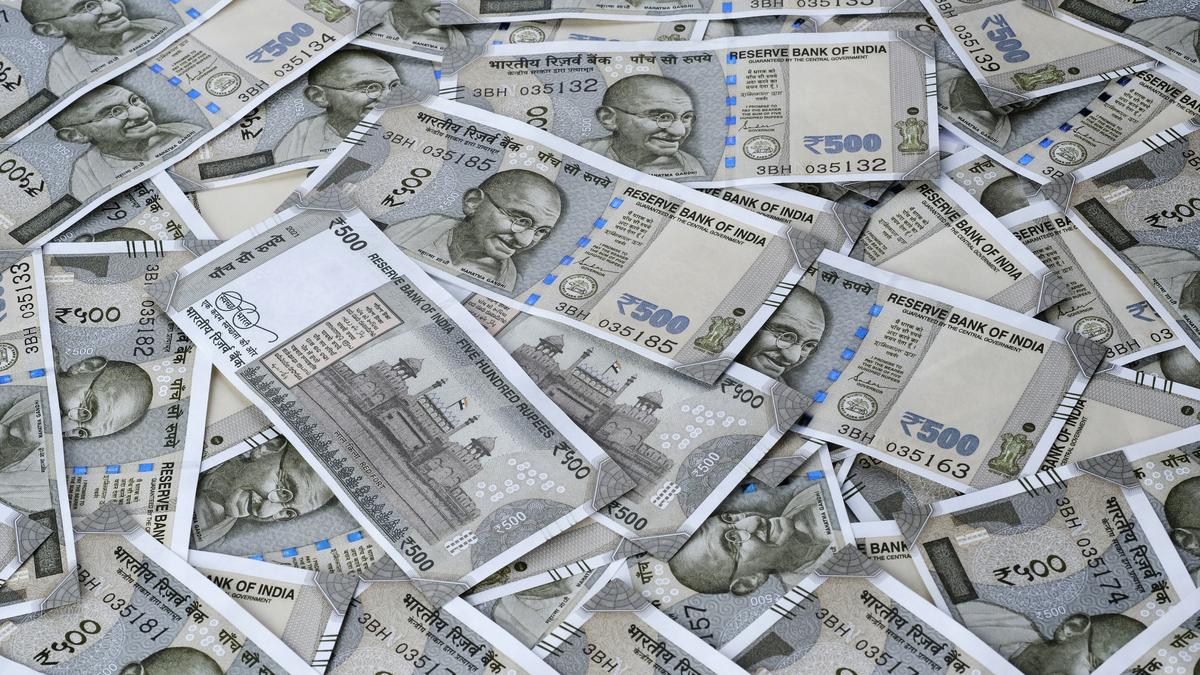
MUMBAI (ICIS)–The Indian rupee (Rs) tumbled to record lows in December, raising the cost of imports for the south Asian country, while exporters expect limited benefits amid prolonged delays in finalizing a trade pact with the US.
Rupee hits fresh record low at above Rs91 to $1 on 17 Dec
Exports to US up in November as traders bear losses
Weak rupee may impact cost effectiveness of raw material imports
The Indian currency weakened to a new all-time low on 17 December, after crossing the Rs91 mark the previous day against the US dollar. It breached the Rs90 mark against the US dollar on 3 December.
Delays in securing a trade deal with the US, high trade deficits in the past months, and continued withdrawals by foreign institutional investors out of India have been weighing on the rupee in the foreign exchange market.
In August, the US imposed 50% tariffs on goods imports from India. Following this, the south Asian country’s merchandise exports declined on a year-on-year basis in September and October.
RUPEE FALL PROVIDE LIMITED EXPORT BOOST While November data showed a turnaround in exports, which posted growth of about 20%, aided by the rupee’s weakness.
A weaker currency promotes exports but is detrimental to imports.
There are doubts, however, if the strong export growth could be sustained given delays in securing a trade deal with the US, which has imposed high tariffs on Indian goods.
In November, the strong shipments were concentrated on goods which are not subject to tariffs.
Some exporters – like those that ship out gems & jewelry and textiles – were absorbing higher tariffs to retain customers.
Market diversification has also helped boost India’s exports in November, with China figuring as its third-biggest export destination.
Meanwhile, the Reserve Bank of India’s (RBI) monetary policy easing stance may have also weighed on the rupee, despite reported market intervention to prop up the currency in October and November.
Low inflation has provided the central bank room to cut policy interest rates by 25 basis points on 5 December, with expectations that another reduction is imminent.
“A sustained [export] improvement will depend on the durability of export demand and the trajectory of imports, particularly energy-related shipments and electronics,” Indian commerce secretary Rajesh Agarwal said in a press conference on 15 December.
Additionally, a trade deal with the US which would ensure a reduction in reciprocal tariffs, would be beneficial, he added.
The Indian government has rolled out a series of measures including cuts in goods and service tax (GST), a support package for exporters and labour reforms in a bid to reduce the impact of the steep US tariffs on its industries.
Since October, the government has withdrawn 36 mandatory quality control orders (QCOs), 29 of which pertain to various chemicals, polymers and fibre intermediates in a bid to boost production of export-oriented micro, small and medium enterprises (MSME).
“Some of these intermediate chemicals which were under the QCO ambit were not being produced in sufficient quantities in India which then caused import shortages, procurement delays and high prices,” an official in the Ministry of Commerce said.
This has hit competitiveness of export-oriented sectors such as textiles, footwear and electronics, he added.
The removal of the QCOs on polyester fibre and yarn will improve the cost competitiveness of Indian textile and apparel products by allowing access to raw materials at globally competitive prices, industry body Confederation of Indian Textile Industry (CITI) said in a statement on 15 November.
The rupee’s weakness, however, also affect sectors that have high reliance on imports, including chemicals and electronics, as the increase in the value of the dollar will lead to a spike in raw material prices which will increase the costs of importers, Federation of Indian Export Organisations (FIEO) director-general Ajay Sahai said.
While merchandise exports to the US – India’s largest export market – have risen by more than 21% year on year in November, Indian exporters are currently absorbing most of the impact of the higher tariffs, according to Indian trade councils.
While nearly 50% of India’s exports to the US are exempt from tariffs, many exporters that face the tariffs are currently bearing losses to continue to trade with their US-based buyers, FIEO’s Sahai said.
“The higher duties are hurting profitability, but companies want to ensure that their volumes remain intact despite the strain on earnings,” he said, adding that Indian firms are expecting the trade deal with the US to be finalized soon.
Focus article by Priya Jestin
Additional reporting by Pearl Bantillo
Read more: here.