
Japanese rubber futures rise on supply fears
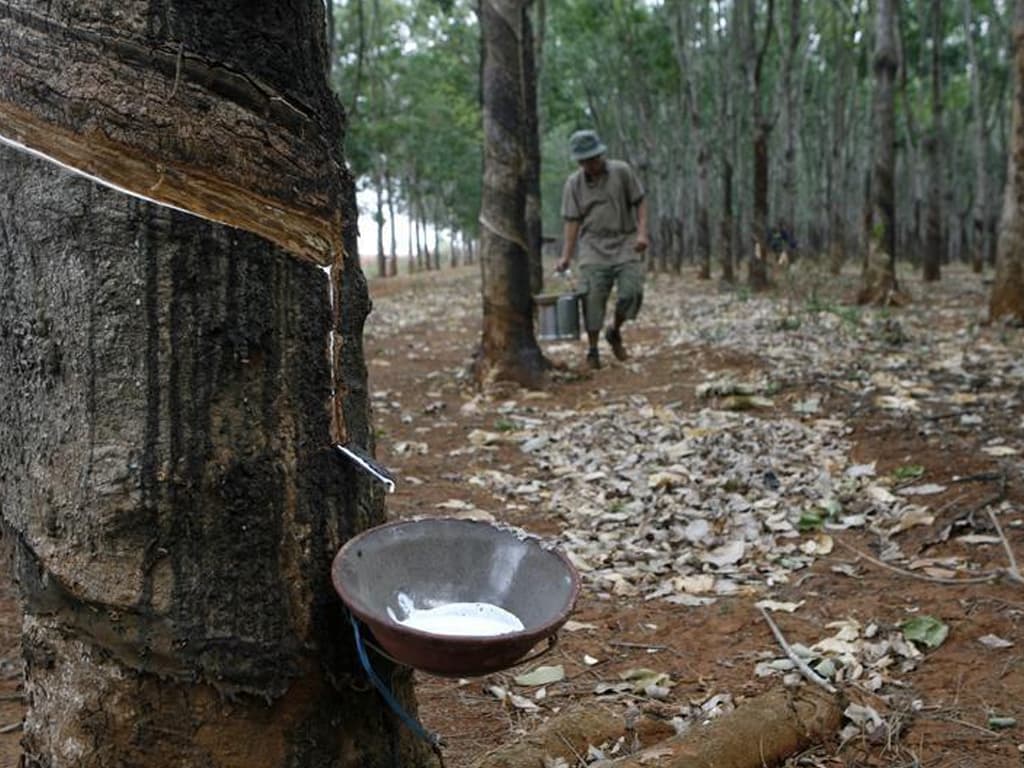
TOKYO: Japanese rubber futures tracked the Shanghai market higher on Friday and posted a weekly gain, supported by supply concerns stemming from bad weather in top producer Thailand and heavy border clashes between Thailand and Cambodia.
The Osaka Exchange (OSE) rubber contract for May delivery finished 1.2 yen, or 0.4percent, higher at 330.8 yen (USD2.1) per kg. The contract has gained about 1.7percent this week. The rubber contract on the Shanghai Futures Exchange (SHFE) for May delivery rose 40 yuan, or 0.26percent, to 15,230 yuan (USD2,159) per metric ton. Thai Prime Minister Anutin Charnvirakul said he would speak to US President Donald Trump on Friday night about a fierce conflict with Cambodia, as heavy border clashes continued for a fifth day.
“The conflict along the Thai-Cambodian border is concerning less for its direct impact on production and more for its potential disruption to logistics and industry,” said Jiong Gu, an analyst at Yutaka Trusty Securities. “With expectations of the Bank of Japan’s rate hike next week, further yen depreciation appears unlikely for now. Although the fundamental support from a weaker yen is waning, Thailand’s emerging geopolitical risk has become a new supporting factor,” Gu added.
Adverse weather in Thailand is also threatening the natural rubber supply. The BOJ will likely maintain a pledge next week to keep raising interest rates, but stress the pace of further hikes will depend on how the economy reacts to each increase, said three sources familiar with its thinking.
The yen traded at 155.69 against the US dollar, compared with around 156.06 yen in late Asia trade on Thursday. A stronger Japanese currency makes yen-denominated assets less affordable to overseas buyers.
Japan’s Nikkei share average climbed, notching a third straight weekly advance, riding on Wall Street optimism between two pivotal central bank meetings. * Chinese leaders promised on Thursday to maintain a “proactive” fiscal policy next year that would stimulate both consumption and investment to maintain high economic growth, which analysts expect Beijing to target at roughly 5percent.
Oil prices rose on Friday, supported by concerns of Venezuelan supply disruptions, though they remained on track for a weekly drop amid cautious market sentiment and optimism over the prospects for a Russia-Ukraine peace deal.
The front-month rubber contract on Singapore Exchange’s SICOM platform for January delivery last traded at 173.1 US cents per kg, up 0.5 percent.
Read more: here.