
What’s fuelling the global growth of the synthetic rubber market in 2025!
This year, strong growth is likely due to auto industry expansion, especially EVs, sustainability-led innovations, industrial demand, technological developments
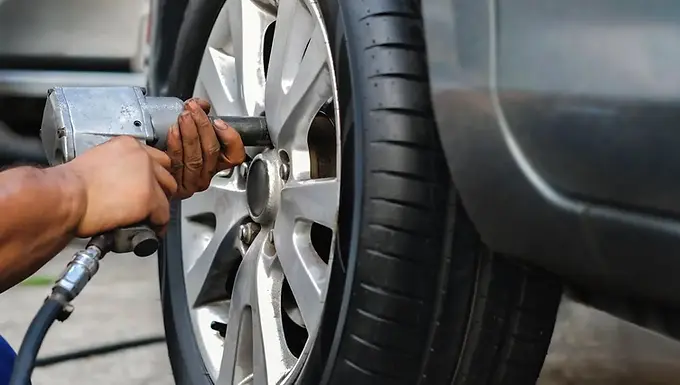
The global synthetic rubber market is poised for robust growth in 2025, underpinned by several key drivers across automotive, industrial, and sustainability sectors. As industries increasingly demand high-performance materials and environmentally conscious alternatives, synthetic rubber is stepping up as a critical enabler of this transformation.
Automotive Industry
The automotive sector remains the backbone of synthetic rubber consumption. Tyres alone are projected to consume over 69 per cent of total synthetic rubber output in 2025 as per rubber board. As the shift to electric vehicles (EVs) intensifies, there’s an accelerating need for specialized rubber compounds like bio-based SSBR (solution styrene-butadiene rubber), which offer lower rolling resistance and better thermal properties, essential for improving EV efficiency and range.
Sustainability and bio-based innovation
With rising pressure to reduce fossil fuel reliance, companies are investing heavily in bio-based alternatives such as NORDEL™ REN EPDM and bio-butadiene. These innovations aim to minimize carbon footprints while maintaining performance.
In tandem, a circular economy mindset is reshaping production. Leading Tyre makers like Continental, which is targeting 65 per cent renewable content in its Tyres, and Bridgestone are leveraging bioethanol-derived feedstocks to develop next-generation “green Tyres.”
Industrial and specialty applications
Beyond the roads, synthetic rubber is gaining traction in high-performance industrial applications. Segments such as oil & gas, aerospace, and electronics are increasingly utilizing durable, chemical- and temperature-resistant rubbers like EPDM, NBR, and fluoropolymers.
There’s also significant growth in non-automotive segments. From electronics to construction, synthetic rubber is progressively replacing natural rubber and thermoplastic elastomers (TPEs) due to its customizable properties and longer lifespan.
Geographically, Asia-Pacific continues to lead, commanding over 50 per cent of global synthetic rubber consumption. The region’s dominance is driven by rapid EV and auto production, especially in China, India, Southeast Asia, and Japan.
Advancements in polymerization and engineered formulations are unlocking new possibilities enhancing elasticity, durability, and tailored performance for specific industrial or automotive needs.
Overall
Expect steady, broad-based growth in synthetic rubber, with 2025 seeing strong growth from auto industry expansion (especially EVs), sustainability-led innovations, industrial demand, technological uplifting. The market remains strong despite price and regulatory pressures.
Read More: Here